
Introduction
When buying plywood for furniture or interior projects, one of the most common questions people ask is: What is the difference between MR, BWR, and BWP plywood? These terms are frequently used by dealers, carpenters, and manufacturers, but many buyers are unsure of their meaning.
Understanding the differences between MR, BWR, and BWP plywood helps homeowners, designers, and carpenters choose the right material based on moisture exposure, durability requirements, and project budget.
In this guide, we explain MR vs BWR vs BWP plywood, how each type is manufactured, where they are used, and how to select the right plywood for your furniture and interior applications.
Table of Contents
What Do MR, BWR, and BWP Mean?
The terms MR, BWR, and BWP refer to the water resistance and bonding strength of plywood panels. These grades are defined under Indian Standard specifications and indicate how well plywood performs in humid or wet conditions.
MR Grade Plywood
MR stands for Moisture-Resistant plywood. It is designed for interior furniture applications where exposure to moisture is minimal.
MR plywood uses urea-formaldehyde resin adhesives, which provide moderate resistance to humidity but are not suitable for prolonged water exposure.
MR grade plywood typically complies with IS 303 standards and is widely used in indoor furniture and interior décor.
BWR Grade Plywood
BWR stands for Boiling Water Resistant plywood. It offers better moisture resistance than MR plywood and is suitable for environments where occasional water exposure may occur.
BWR plywood uses phenol-formaldehyde adhesives, which create stronger bonds between veneer layers and provide improved resistance to moisture.
It is often used in areas like kitchens, partitions, and interior structures where humidity levels are higher than in typical indoor spaces.
BWP Grade Plywood
BWP stands for Boiling Water Proof plywood and represents the highest grade of plywood used in furniture and interior construction.
BWP plywood is manufactured using high-performance phenolic resins that maintain bonding strength even when exposed to boiling water conditions.
Marine plywood usually falls under the BWP category, making it suitable for applications where moisture exposure is frequent or unavoidable.
MR vs BWR vs BWP Plywood: Key Differences
The primary differences between MR, BWR, and BWP plywood lie in their water resistance, adhesive technology, and ideal applications.
| Feature | MR Plywood | BWR Plywood | BWP Plywood |
|---|---|---|---|
| Full Form | Moisture Resistant | Boiling Water Resistant | Boiling Water Proof |
| Adhesive Type | Urea Formaldehyde | Phenol Formaldehyde | Phenolic Resin |
| Water Resistance | Low | Moderate | Very High |
| Ideal Usage | Indoor furniture | Kitchens & humid interiors | Wet areas & high durability furniture |
| Standard | IS 303 | IS 303 | IS 710 |
Understanding these differences ensures that the right plywood grade is used in the right environment.
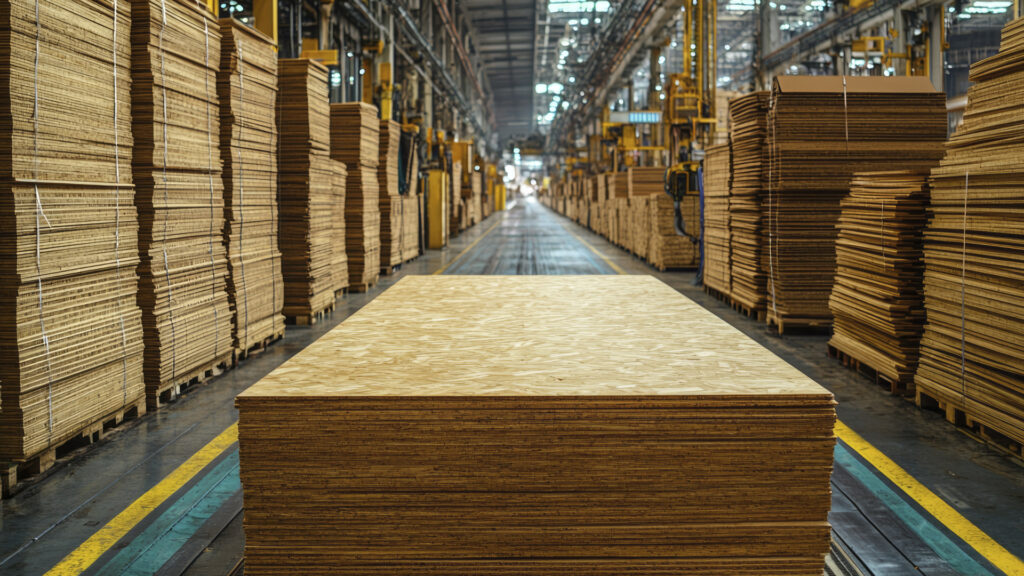
To understand different Plywood Types, you can read our complete guide to plywood types in India.
When Should You Use MR Plywood?
MR plywood is commonly used in furniture and interior structures that remain in dry indoor environments.
Typical applications include:
- Wardrobes
- TV units
- Bookshelves
- Office furniture
- Interior partitions
Since MR plywood is more affordable than other grades, it is often used for projects where water exposure is not a concern.
When Should You Use BWR Plywood?
BWR plywood is recommended for areas that experience occasional moisture or humidity.
Common applications include:
- Modular kitchen cabinets
- Dining room furniture
- Bathroom partitions
- Storage cabinets near wet areas
It provides a balance between cost and durability for interior applications exposed to moderate moisture.
When Should You Use BWP Plywood?
BWP plywood is the preferred option for projects where long-term durability and moisture resistance are critical.
Typical applications include:
- Kitchen cabinets and under-sink storage
- Bathroom furniture
- Exterior-facing furniture
- High-humidity interior environments
Because of its superior bonding strength and water resistance, BWP plywood is often considered the most reliable option for premium furniture applications.
How to Identify Good Quality Plywood
Regardless of grade, the quality of plywood depends on several factors including core material, manufacturing precision, and adhesive technology.
When purchasing plywood, consider the following:
- Check for ISI certification marks (BIS)
- Inspect the core layers for gaps or overlaps
- Verify uniform thickness and calibration
- Ensure the plywood surface is smooth and defect-free
High-quality plywood should have consistent density and strong bonding between layers, ensuring durability in real-world applications.
Common Mistakes People Make When Choosing Plywood
The actual fight – MR vs BWR vs BWP Plywood. Many buyers choose plywood based only on price, which can lead to problems later. Using the wrong plywood grade in moisture-prone areas may result in swelling, delamination, or reduced lifespan of furniture.
Some common mistakes include:
- Using MR plywood in kitchen cabinets
- Choosing low-density plywood for heavy furniture
- Ignoring IS certification standards
- Not checking veneer quality
Selecting the right plywood grade from the beginning helps avoid costly repairs and replacements.
Conclusion
Understanding the difference – MR vs BWR vs BWP Plywood is essential when selecting materials for furniture and interior construction. Each grade offers a different level of moisture resistance and structural performance, making it important to match the plywood type with the intended application.
For dry interior furniture, MR plywood may be sufficient. For environments with moderate humidity, BWR plywood provides better durability. In areas exposed to frequent moisture, BWP plywood offers the highest level of protection and reliability.
Choosing the right plywood grade ensures that furniture remains strong, stable, and long-lasting over time.
FAQ
What is the difference between MR and BWR plywood?
MR plywood offers basic moisture resistance for indoor furniture, while BWR plywood provides better protection against humidity and occasional water exposure.
Is BWP plywood the same as marine plywood?
Marine plywood generally falls under the BWP category and is designed to withstand high levels of moisture and water exposure.
Which plywood is best for kitchen cabinets – MR vs BWR vs BWP Plywood?
BWP plywood is usually recommended for kitchen cabinets because it provides excellent resistance to moisture and long-term durability.
Can MR plywood be used in kitchens?
MR plywood can be used in dry interior furniture but is not ideal for areas exposed to frequent moisture such as kitchen cabinets.